Coming soon · Daily beauty powder即将上市 · 每日养颜冲饮粉即將上市 · 每日養顏衝飲粉
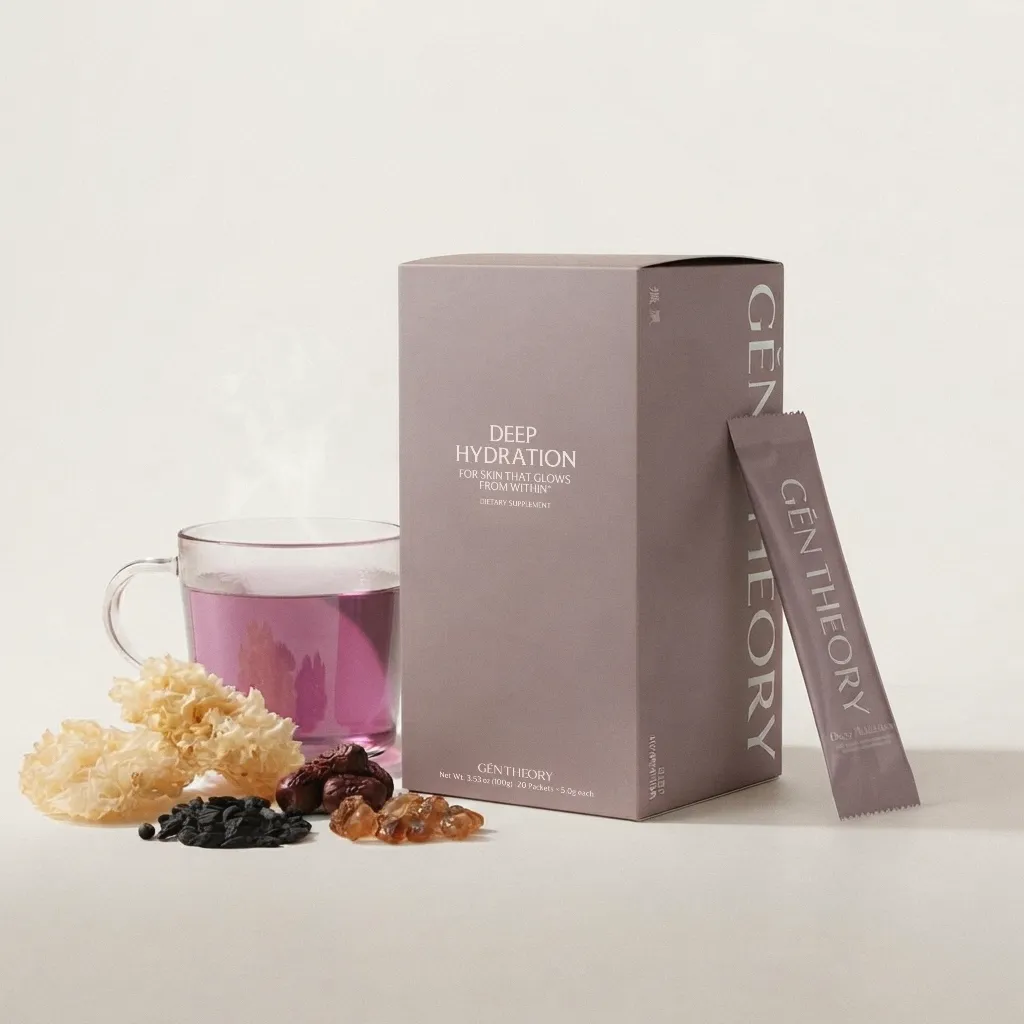
DEEP HYDRATION
深层润养深层润养深層潤養
For skin that glows from within.* Formulated by a TCM doctor with tremella, peach gum, black goji berry, and red jujube. Best enjoyed warm or blended into your favorite beverage.由内润养,自然焕发肌肤光采。*
由中医师甄选四味东方草本:银耳、桃胶、黑枸杞与红枣,悉心调配。可温热饮用,亦可融入喜爱的饮品,随心享用。由內潤養,自然煥發肌膚光采。*
由中醫師甄選四味東方草本:銀耳、桃膠、黑枸杞與紅棗,悉心調配。可溫熱飲用,亦可融入喜愛的飲品,隨心享用。
- Non-GMO非转基因非轉基因
- Vegan纯素純素
- No added sugar无添加糖無新增糖
- No artificial colors无人工色素無人工色素
- Formulated by a TCM clinician由中医师调配由中醫師調配
Why Deep Hydration为何选择深层润养為何選擇深層潤養
Radiance, from within.光采,由内而生。光采,由內而生。
- 01Deep hydration from within由内而外的深层润养由內而外的深層潤養Tremella polysaccharides hold up to 500 times their weight in water.*银耳多糖据报道可结合高达自身重量 500 倍的水分。*銀耳多糖據報道可結合高達自身重量 500 倍的水分。*
- 02A soft, natural glow柔和自然的光泽柔和自然的光澤Nourishment for skin that looks rested and supple, day after day.*日复一日,温柔润养,令肌肤呈现柔润饱满的自然光采。*日復一日,溫柔潤養,令肌膚呈現柔潤飽滿的自然光采。*
- 03Four time-tested botanicals四味传承已久的东方食材四味傳承已久的東方食材Tremella, peach gum, black goji and red jujube. Nothing decorative.银耳、桃胶、黑枸杞与红枣。每一味,都有其存在的理由。銀耳、桃膠、黑枸杞與紅棗。每一味,都有其存在的理由。
- 04A sixty-second ritual一分钟的润养仪式一分鐘的潤養儀式One packet a day. Gentle enough to take every day.每日一包,让润养成为日常。每日一包,讓潤養成為日常。
A sixty-second ritual一分钟的润养仪式一分鐘的潤養儀式
Tear. Stir. Bloom.留给自己的一刻时光留給自己的一刻時光
A simple, nourishing ritual to fold into your morning, your afternoon pause, or any moment that calls for a little intention.无需繁复准备,让一份温柔润养融入清晨、午后,或任何想为自己停留片刻的时光。無需繁複準備,讓一份溫柔潤養融入清晨、午後,或任何想為自己停留片刻的時光。
- 01Tear撕开撕開Open one 5 g packet. One a day is enough.撕开一包 5 克装,每日一包即可。撕開一包 5 克裝,每日一包即可。
- 02Stir搅拌攪拌Into warm water or your favorite beverage.加入温水或您喜爱的饮品中。加入溫水或您喜愛的飲品中。
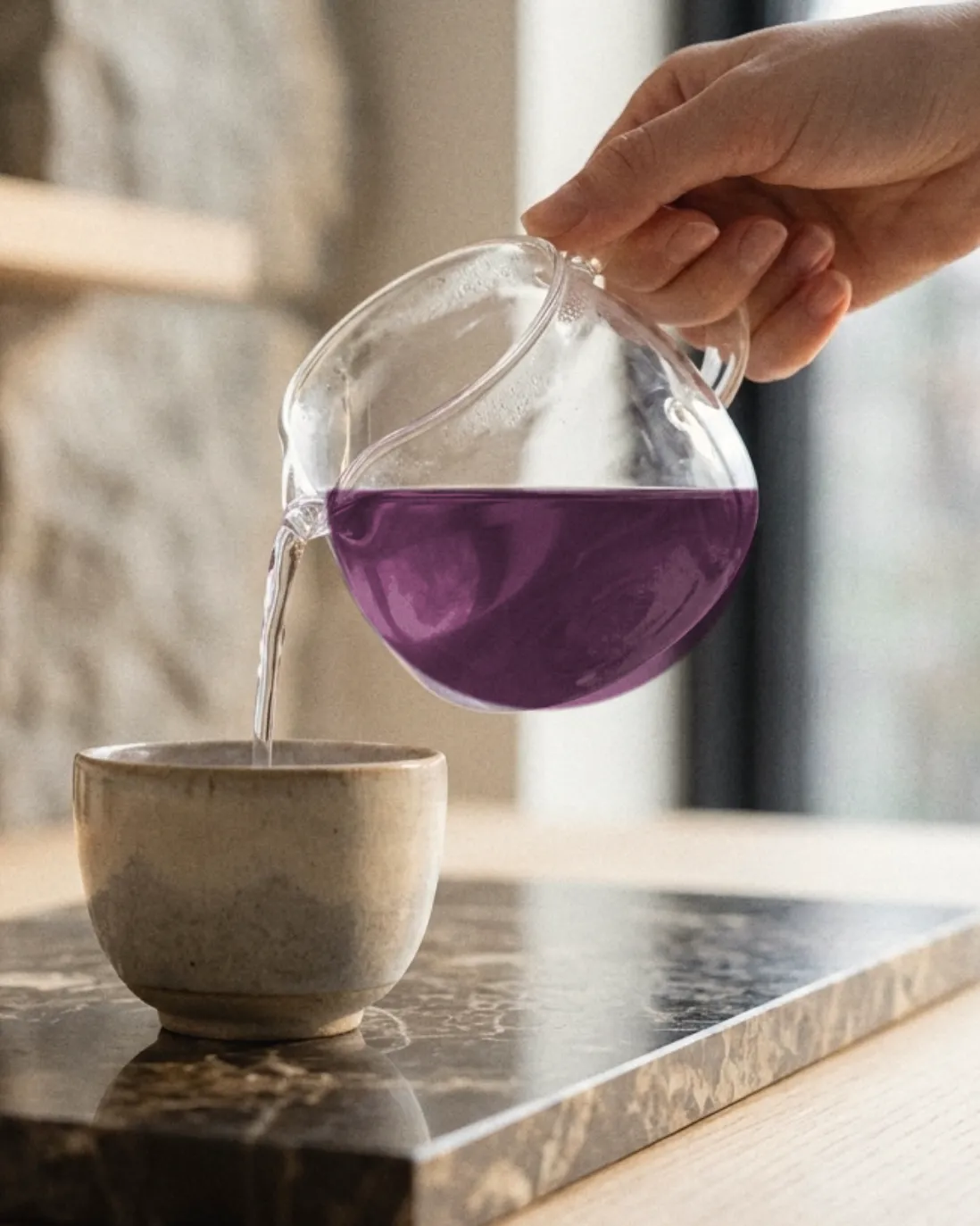
- 03Bloom绽放綻放Watch it turn a soft lilac plum. Begin slowly.看淡紫梅色在杯中缓缓晕开,让这一刻慢下来。看淡紫梅色在杯中緩緩暈開,讓這一刻慢下來。
Coming soon即将上市即將上市
Be first to begin the ritual.率先开启每日润养仪式。率先開啟每日潤養儀式。
Join the waitlist for first access to Deep Hydration and news from the root.留下您的邮箱,优先获取新品上市消息,开启由内而外的润养之旅。留下您的郵箱,優先獲取新品上市訊息,開啟由內而外的潤養之旅。